Empowering Patients: Navigating Oncology with Awareness and Support
Navigating the labyrinth of cancer care can often feel overwhelming—especially when faced with the unsettling diagnosis of malignant tumors. But what if I told you that the key to empowerment lies in something as fundamental as understanding? Tumor awareness is not merely a buzzword; it is the blazing torch that lights the path through the often murky waters of oncology. It arms patients and families with crucial information on symptoms, diagnosis, and treatment options, significantly enhancing health literacy. So, how do we unlock these secrets and strengthen our resolve against cancer?
Let’s picture a scenario. Imagine Sarah, a vibrant mother of two, receives a cancer diagnosis. Instead of succumbing to fear, she becomes a warrior for her own health. Armed with knowledge about her specific type of tumor, she engages with her healthcare providers, questions the proposed cancer treatment options, and explores clinical trials. Her journey embodies the essence of patient advocacy. With early detection in her corner, she becomes a beacon of hope, showcasing that awareness can significantly impact survivorship. What are the empowering steps you would consider taking if you or a loved one faced a similar challenge?
At its heart, tumor awareness brings forth early detection and encourages preventative measures. Studies suggest that understanding the risk factors and common symptoms associated with various cancers can lead to early intervention—a powerful lifeline that can alter treatment outcomes dramatically. But wait, what if we tapped into holistic approaches alongside traditional methods? Consider the benefits of immunotherapy, palliative care, and even nutrition and cancer. Have you heard about the transformative power of chemo education in managing side effects? Recognizing the importance of these elements may just redefine your cancer care experience.
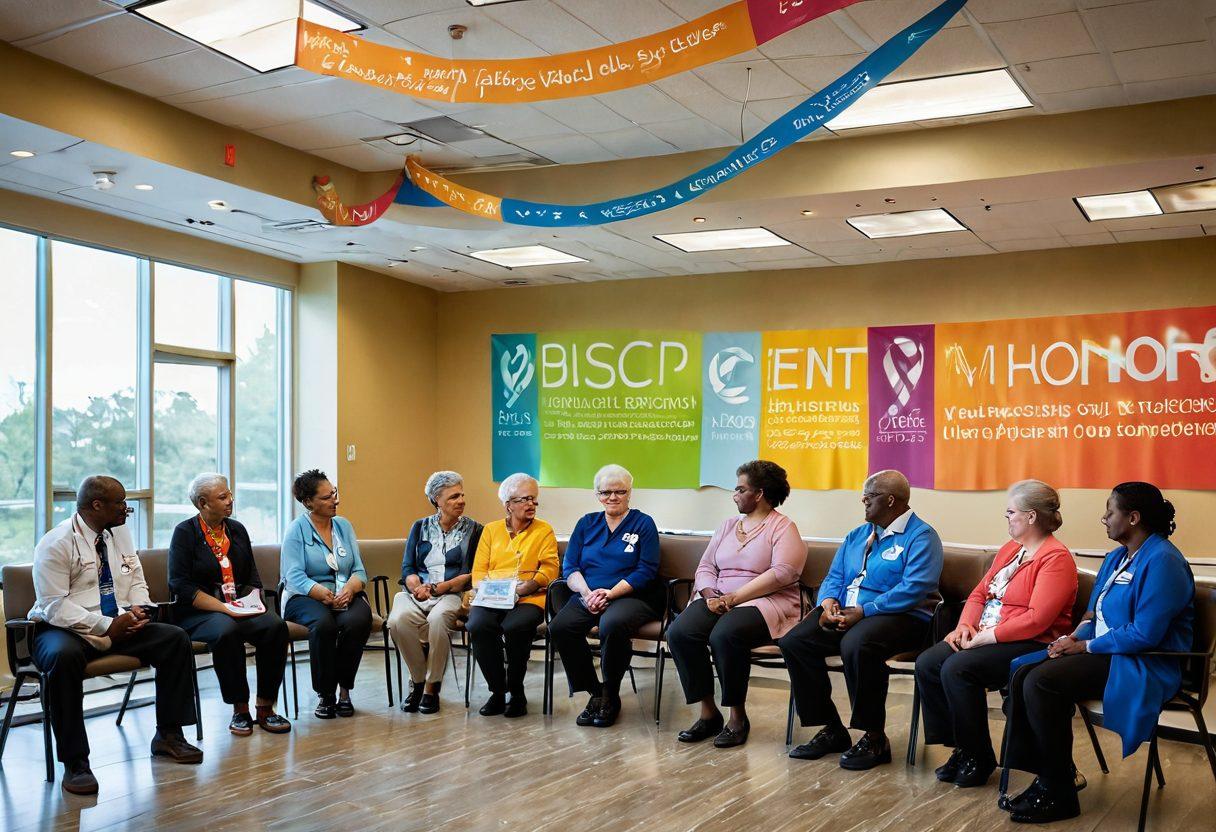
But who can you turn to on this journey? Support groups often serve as critical wellness resources, offering camaraderie and shared experiences. Imagine walking into a room filled with people who understand the fear, sadness, and triumph that accompany cancer treatment. These shared stories can shift your perspective, giving you psychological support when you need it most. Have you ever thought about the strength found in unity when facing adversity?
Finally, as we traverse these uncharted waters, let’s not forget the invaluable role of family resources. Empowering your circle with tumor awareness can help dispel the confusion surrounding cancer care, facilitating informed discussions about treatment options and emotional support. Nutrition, side effects management, and radiation therapy become relatable topics of conversation rather than taboo subjects. As we unite under the umbrella of health tips and connectedness, how can we take these conversations from whispers to empowering dialogues?
From Diagnosis to Survivorship: Your Guide to Navigating Oncology Support
Receiving a cancer diagnosis can feel like stepping into a storm without an umbrella. One moment you're celebrating the simple joys of life, the next you’re grappling with the gravity of malignant tumors and all the uncertainty they bring. Yet, as daunting as the journey through the world of oncology may seem, it is also a pathway paved with resources, support, and empowerment. From diagnosis to survivorship, understanding your cancer care journey is not just crucial—it's transformative. So, how do you navigate life with cancer effectively?
First and foremost, health literacy can be your greatest ally. Familiarizing yourself with oncology terms and processes will help demystify the language of cancer treatment. This education begins at the doctor’s office, where complex terms like immunotherapy and radiation therapy become part of your vocabulary. Engage in conversations about your symptoms and diagnosis with your healthcare providers. Ask questions and demand clarity—after all, your understanding of your condition is key. As the saying goes, 'Knowledge is power.' The more informed you are, the better equipped you’ll be to advocate for your own health and well-being.
Remember that cancer care extends beyond the medical treatments. A holistic approach is essential for surviving and thriving in the face of this disease. Nutrition and cancer go hand in hand; a balanced diet can significantly aid in managing side effects and improving recovery. Exploring wellness resources that support your physical and emotional health can make a remarkable difference. Have you ever considered joining a support group? Sharing your experience with others on similar journeys can foster immense psychological support and create bonds that feel like family.
As you progress through your cancer treatment, whether it be through conventional chemo education or exploring clinical trials, recognizing the importance of survivorship planning is vital. Survivorship isn’t just about beating cancer—it's about thriving post-treatment. Engage early with palliative care teams that focus on side effects management and enriching your quality of life. They can offer invaluable health tips and strategies that address both physical discomfort and emotional challenges. How can you incorporate practice mindfulness or stress relief sessions into your daily routine?
Finally, don’t forget the role of family resources in your cancer journey. They can be your shoulders to lean on and your fiercest advocates. Educate them about your specific needs and encourage open dialogue about your health. Each person’s journey is unique, and while you navigate the intricate world of oncology, remember that seeking help and support—whether through professional avenues or personal connections—can help transform that turbulent storm into a more manageable drizzle. The road may be long, but with awareness and unwavering support, you can navigate it with strength and dignity.
The Power of Knowledge: Enhancing Health Literacy in Cancer Treatment Journey
Imagine stepping into a world where knowledge is your strongest ally. In the challenging realm of oncology, education and awareness are not just helpful—they can be life-saving. As we navigate the complexities of cancer care, understanding the landscape of malignant tumors, treatments, and symptoms becomes paramount. The journey can feel overwhelming, yet with enhanced health literacy, patients can become their own advocates, ensuring they not only survive but thrive. So, what does it mean to truly understand your cancer treatment journey?
Health literacy is more than just a buzzword; it is a critical component of effective cancer care. As patients, when we equip ourselves with key information about our diagnosis, treatment options like immunotherapy, radiation therapy, or chemotherapy, we demystify the cancer treatment experience. Have you ever felt lost in a sea of medical jargon? Learning about clinical trials or palliative care doesn’t just empower you; it also transforms the often daunting landscape of oncology into something navigable. It allows you to make informed choices about your health and advocate for what you truly need.
Have you considered the impact of tumor awareness in early detection? It’s no secret that the sooner malignant tumors are caught, the better the outcome. By being educated about symptoms and diagnosis, patients can engage in healthy conversations with their healthcare providers, ensuring timely interventions. But this awareness isn't only about understanding symptoms; it includes exploring preventative measures and wellness resources that bolster your health. The world of cancer treatment isn’t just about battling a disease; it’s about fostering resilience and maintaining a holistic approach to wellness—from nutrition and cancer to psychological support and beyond.
Support groups play a vital role in the cancer experience. They provide a safe space for sharing experiences, fears, and triumphs. The power of having a community cannot be understated; when others share similar experiences, the burden of cancer feels lighter. Through these connections, patients often exchange valuable health tips and resources, facilitating better side effects management and offering insights into the highs and lows of survivorship. What have you learned from those walking a similar path? What could their stories teach you about resilience and courage in the face of adversity?
In conclusion, every step of the cancer treatment journey can be illuminated by knowledge and awareness. The complexities of oncology, from understanding different treatment modalities to accessing family resources, are much easier to navigate with the right information. As you embark on this journey, remember: you are not alone. Equip yourself with the tools to advocate for your health, share your story within support groups, and empower others along the way. As you embrace this path, the question arises—how will you leverage your newfound knowledge to transform your cancer care experience and support those around you?